How to Fix Common Water Leaks?
PlumbSmart is San Antonio's top one-stop plumbing solution. We are licensed professionals for all your plumbing needs, from fixing leaks to installing new systems. With 15+ years of experience and 500+ 5-star ratings, our expert team ensures your water systems run smoothly 24/7. From routine fixes to emergency calls, trust PlumbSmart for top-notch service related to water heating, filtration, and drainage. Let's make plumbing smarter together.
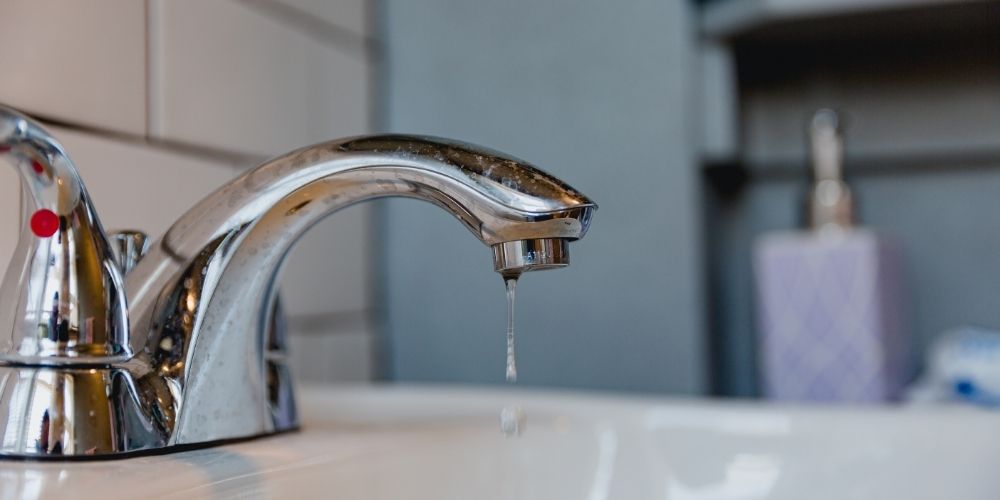
Dripping Faucet A dripping faucet is not only annoying but can waste a lot of water. This often happens due to wear and tear or debris buildup. To fix it, first, turn off the water supply. Open the faucet and inspect the washer for debris or damage. Clean any dirt with a cloth. If the washer or faucet is damaged, replace the parts as needed.
Leaking Plastic Pipe For a leaking plastic pipe, start by locating the source of the leak and turning off the water supply. A quick fix could be using tape or epoxy to temporarily seal the leak. For more serious damage, you'll need to replace the section of the pipe. If the issue persists, call a plumber. In the meantime, use rubber and a hose clamp to control the leak temporarily.
Leaking Showerhead If your showerhead is leaking, turn off the water supply and remove the handle cap, handle, and faceplate. If it's a single-handle shower, remove the locking clip and cartridge, then replace the cartridge or other faulty parts. After reassembling the parts, turn the water back on and check if the leak is fixed.
Leaking Toilet Base A leaking toilet base usually means the wax seal is worn out or the bolts are loose. To fix it, you'll need a new wax ring and an adjustable wrench to tighten or replace the bolts. It’s often best to call a plumber for this type of repair to avoid further damage.
Water Heater Tank Water heater leaks can escalate quickly, potentially causing serious damage. Look for condensation or pooling around the tank. Leaks from the top are typically due to faulty connections, while bottom leaks may come from a damaged drain valve or the tank itself. Regularly inspecting the tank and flushing it annually can prevent costly repairs.
Final Thoughts Catching water leaks early prevents major damage and expensive repairs. Be on the lookout for signs like unusual smells, damp spots, or changes in your water meter readings. Small fixes like tightening bolts or cleaning a faucet can be DIY solutions. For persistent or complex leaks, call a professional plumber.
At PlumbSmart, we specialize in leak detection and repairs. Contact us today for expert service and keep your home safe and dry. Your peace of mind is just a call away!
Read more about How to Detect Water Leaks in Your Home?


